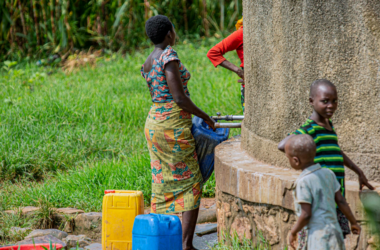



Access to clean sanitation facilities is essential for good health, dignity, and community well-being. Yet billions of people worldwide still lack access to safe toilets, proper waste disposal systems, and hygiene facilities. Poor sanitation contributes to the spread of preventable diseases, contaminates water sources, and negatively affects education, economic productivity, and overall quality of life. By choosing to help provide clean sanitation facilities, you can support sustainable solutions that improve health and create lasting change for vulnerable communities.
Clean sanitation facilities are more than just toilets. They include handwashing stations, wastewater management systems, hygiene education, and infrastructure that helps prevent the spread of disease. These projects are particularly important for schools, healthcare centers, and rural communities where access to safe sanitation remains limited.
Why Help Provide Clean Sanitation Facilities?
When you help provide clean sanitation facilities, your donation supports projects that reduce the risk of illness while promoting healthier, safer, and more dignified living conditions. Access to proper sanitation allows families to live healthier lives and gives children a better chance to stay in school and thrive.
Your contribution can help:
- Build safe and hygienic toilet facilities.
- Install handwashing stations in schools and communities.
- Improve wastewater and sewage management systems.
- Support hygiene education and disease prevention programs.
- Protect local water sources from contamination.
- Improve sanitation in healthcare facilities and public spaces.
Every sanitation project helps create cleaner environments and healthier communities.
Reasons to Donate
Supporting sanitation initiatives is one of the most effective ways to improve public health and reduce preventable diseases. Your generosity creates sustainable improvements that benefit entire communities for years to come.
Here are several reasons to donate:
- Prevent Disease: Proper sanitation reduces the spread of waterborne and infectious illnesses.
- Protect Children’s Health: Safe sanitation helps children grow up healthier and miss fewer school days.
- Promote Dignity: Access to clean toilets improves safety, privacy, and quality of life.
- Support Education: Schools with adequate sanitation facilities encourage better attendance, especially among girls.
- Strengthen Communities: Healthy communities are more productive and resilient.
- Create Long-Term Impact: Sustainable sanitation infrastructure benefits current and future generations.
Every donation, regardless of its size, contributes to healthier and more sustainable communities.
How Your Donation Makes a Difference
When you help provide clean sanitation facilities, your support may help fund:
- Construction of toilets and sanitation blocks
- Handwashing stations with clean water access
- Community hygiene education campaigns
- Waste management and sewage systems
- Sanitation facilities for schools and healthcare centers
- Maintenance and repair of sanitation infrastructure
- Local training on sanitation management and hygiene practices
These initiatives improve public health while empowering communities to maintain clean and safe environments for years to come.
If you’d like to learn more about charitable giving and how donations support meaningful causes around the world, visit Donation (Wikipedia).
Help Build Healthier Communities Today
There has never been a better time to help provide clean sanitation facilities. Your generosity can improve public health, protect vulnerable families, and create safer environments where communities can thrive. Every contribution helps prevent disease and promotes dignity for people in need.
To explore sanitation initiatives and other charitable projects, visit the DonateNG Project Explore page. Your support helps improve hygiene, strengthen communities, and provide access to safe sanitation facilities that change lives for generations.
Together, we can create a healthier future by ensuring that every community has access to clean sanitation facilities, better hygiene, and the opportunity to live with dignity and good health.